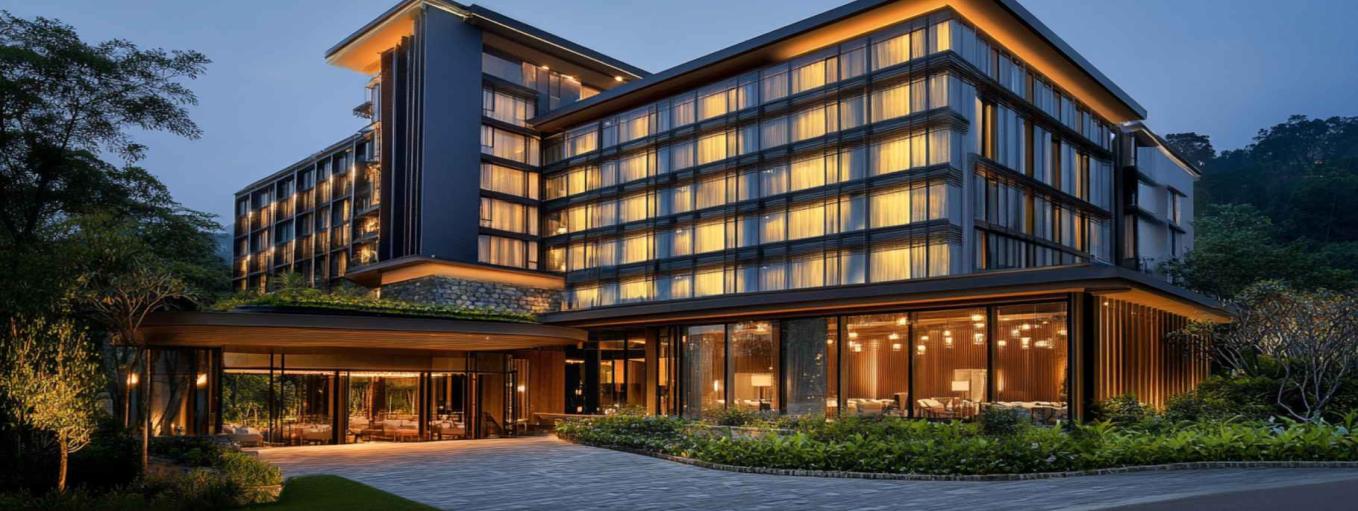
Underground hotels designed for thermal efficiency represent one of the most innovative approaches to climate-responsive architecture in hospitality. By using the insulating properties of soil and rock, these accommodations maintain stable indoor temperatures while reducing dependence on mechanical heating and cooling systems. Instead of resisting environmental conditions, underground hotels work with them.
Travelers increasingly choose these properties not only for their environmental performance but also for the quiet atmosphere, distinctive spatial design, and connection to surrounding landscapes. Underground accommodations demonstrate how architecture can combine comfort, sustainability, and regional identity in meaningful ways.
Understanding Thermal Efficiency in Underground Architecture
Thermal efficiency refers to a building’s ability to maintain comfortable indoor temperatures with minimal energy use. Underground hotels achieve this by using earth as a natural insulating barrier.
Soil surrounding subterranean structures:
- Reduces exposure to extreme outdoor temperatures
- Stabilizes indoor climate fluctuations
- Protects interiors from wind and solar gain
- Maintains humidity balance in many environments
Because underground temperatures remain relatively constant throughout the year, heating and cooling demands decrease significantly compared with conventional surface buildings.
How Earth-Sheltered Design Supports Comfortable Interiors
Earth-sheltered hotels are partially or fully built below ground level. Instead of relying solely on mechanical climate control systems, they integrate landscape features into structural design.
Common design characteristics include:
- Thick insulated walls reinforced by surrounding soil
- Roofs covered with vegetation or natural terrain
- South-facing openings in colder climates
- Courtyard layouts allowing daylight access
These strategies create interiors that remain comfortable across seasonal temperature changes.
Historical Roots of Underground Hospitality Spaces
Underground living environments have existed for centuries in regions with extreme climates. Communities historically built subterranean homes to protect against heat, cold, and strong winds.
Examples of traditional underground architecture include:
- Desert dwellings carved into rock formations
- Hillside cave residences in Mediterranean regions
- Subterranean courtyard homes in arid climates
- Earth-covered structures in northern environments
Modern underground hotels adapt these ideas using contemporary engineering techniques.
Desert Underground Hotels and Heat Management
In hot desert environments, underground hotels provide effective protection from daytime heat. Soil layers absorb solar radiation before it reaches interior living spaces.
Thermal advantages in desert regions include:
- Reduced daytime temperature spikes
- Cooler sleeping environments without heavy air conditioning
- Protection from dust storms and wind exposure
- Stable nighttime interior temperatures
These benefits make subterranean design especially suitable for arid landscapes.
Cold Climate Underground Hotels and Heat Retention
Underground construction also performs well in cold environments because surrounding soil reduces heat loss during winter months.
In colder regions, earth-sheltered hotels:
- Retain interior warmth longer
- Reduce reliance on heating systems
- Protect structures from freezing winds
- Maintain consistent interior humidity levels
These features improve both comfort and energy efficiency during long winters.
Natural Light Solutions in Subterranean Hotel Design
One of the most important challenges in underground architecture involves providing adequate natural light. Modern underground hotels address this through innovative spatial planning.
Common daylight strategies include:
- Sunken courtyards
- Light wells extending to roof level
- Reflective interior surfaces
- Glass entry corridors connecting surface and underground spaces
These techniques ensure guests experience natural illumination despite the below-ground setting.
Acoustic Benefits of Underground Hotel Construction
Earth-sheltered environments naturally reduce noise transmission. This creates quiet interior spaces that enhance rest and relaxation.
Acoustic advantages include:
- Reduced traffic noise
- Limited wind-related sound intrusion
- Minimal vibration from surrounding activity
- Improved sleep quality for guests
These qualities contribute to the calm atmosphere often associated with underground accommodations.
Structural Engineering Supporting Underground Hotels
Modern underground hotels rely on advanced engineering methods that ensure both stability and long-term durability. Structural systems must withstand soil pressure and moisture conditions.
Key engineering considerations include:
- Reinforced retaining walls
- Waterproofing membranes
- Drainage systems preventing groundwater accumulation
- Ventilation channels supporting air circulation
These features ensure safety while preserving thermal efficiency.
Ventilation Strategies for Comfortable Underground Spaces
Proper airflow is essential in subterranean environments. Underground hotels integrate ventilation systems that maintain air quality without compromising insulation performance.
Ventilation strategies often include:
- Passive airflow shafts
- Mechanical fresh-air exchange systems
- Courtyard-based air circulation
- Temperature-controlled intake channels
These systems maintain healthy interior conditions year-round.
Green Roof Systems Enhancing Thermal Stability
Many underground hotels incorporate green roofs that extend the surrounding landscape across building surfaces. Vegetation layers improve insulation performance while supporting biodiversity.
Green roof benefits include:
- Additional temperature buffering
- Stormwater management support
- Reduced urban heat island effects
- Improved visual integration with landscapes
These features strengthen both environmental and architectural performance.
Integration with Local Landscapes and Cultural Context
Underground hotels often reflect regional architectural traditions shaped by climate and geography. Designers frequently adapt local building techniques to modern hospitality standards.
Landscape integration may involve:
- Using locally sourced stone materials
- Preserving natural terrain contours
- Minimizing visual impact on scenic environments
- Aligning structures with historic settlement patterns
These strategies strengthen connections between architecture and place.
Energy Efficiency Compared with Conventional Hotels
Underground hotels typically consume less energy for heating and cooling than surface-level buildings because surrounding soil moderates indoor temperatures.
Energy performance improvements often include:
- Reduced air conditioning requirements
- Lower winter heating demand
- Stable interior temperature ranges
- Decreased reliance on artificial climate control systems
These advantages support long-term sustainability goals in hospitality design.
Guest Experience in Underground Accommodations
Staying in an underground hotel offers a distinctive experience shaped by spatial design and environmental conditions. Guests often notice differences immediately upon arrival.
Common guest impressions include:
- Comfortable indoor temperature stability
- Quiet surroundings supporting relaxation
- Unique architectural layouts
- Strong connection to surrounding landscapes
These features contribute to growing interest in subterranean hospitality.
Safety Considerations in Subterranean Hotel Design
Modern underground hotels meet strict safety standards through careful engineering and emergency planning. Designers ensure safe evacuation routes and structural reliability.
Safety features often include:
- Clearly marked emergency exits
- Fire-resistant construction materials
- Advanced ventilation monitoring systems
- Moisture control infrastructure
These measures ensure underground accommodations remain both secure and comfortable.
Water Management and Moisture Protection Systems
Moisture control represents one of the most important technical aspects of underground construction. Effective drainage systems protect interior spaces from groundwater pressure.
Water management strategies include:
- Perimeter drainage channels
- Waterproof structural membranes
- Sloped terrain directing water away from entrances
- Controlled humidity ventilation systems
These solutions maintain interior comfort and long-term building durability.
Environmental Benefits Beyond Energy Savings
Underground hotels support sustainability goals beyond temperature control alone. Their reduced visual footprint helps preserve natural landscapes while limiting surface disruption.
Environmental benefits include:
- Reduced land disturbance
- Lower building height impact on scenic views
- Improved stormwater absorption through green roofs
- Enhanced compatibility with protected landscapes
These advantages make subterranean hotels suitable for environmentally sensitive regions.
Why Underground Hotels Represent the Future of Climate-Responsive Hospitality
As hospitality architecture responds to changing environmental conditions, underground hotels demonstrate how traditional building knowledge can inform modern innovation. By working with natural insulation provided by soil and rock, designers create comfortable interiors while reducing energy demand.
Travelers increasingly value accommodations that combine comfort with environmental responsibility. Underground hotels offer both, showing how architecture can adapt to climate challenges while providing memorable guest experiences.
Frequently Asked Questions
Are underground hotels darker than traditional hotels
Most underground hotels use courtyards, light wells, and large entry openings to provide natural daylight throughout interior spaces.
Do underground hotels require special maintenance compared with surface buildings
Maintenance focuses primarily on waterproofing systems, drainage infrastructure, and ventilation equipment rather than exterior weather exposure.
Are underground hotels suitable for hot climates only
No. Underground construction performs well in both hot and cold environments because soil stabilizes indoor temperatures year-round.
Can underground hotels be built in urban environments
Yes. Some urban developments integrate partially underground hotel structures to reduce surface density and improve energy efficiency.
How do underground hotels handle emergency evacuation requirements
Modern underground hotels include multiple exit routes, safety signage, and ventilation systems designed to meet strict building safety standards.
Are underground hotels environmentally friendly compared with conventional hotels
They often reduce heating and cooling energy demand significantly and can integrate green roofs that support ecological performance.
Do underground hotels feel enclosed for guests unfamiliar with subterranean spaces
Designers typically include open courtyards, skylights, and wide circulation areas to create spacious interiors that reduce any sense of confinement.
