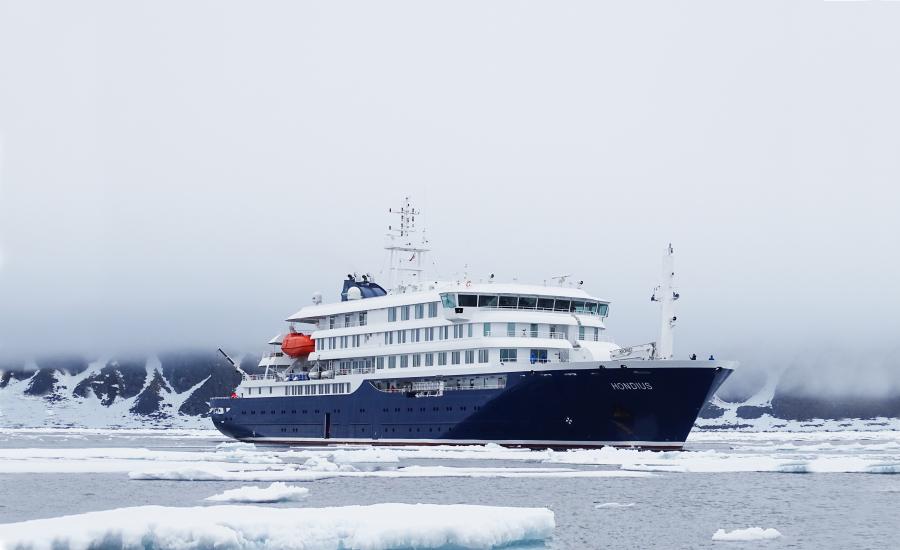
Expedition cruising in the remote Southern Oceans offers one of the most immersive travel experiences available today. Unlike traditional cruise travel centered on entertainment and port visits, expedition cruising focuses on exploration, environmental understanding, and close interaction with some of the planet’s most isolated ecosystems. These voyages reach regions where wildlife dominates the landscape and human presence remains minimal.
Travelers who choose expedition cruising in southern polar waters encounter environments shaped by powerful currents, drifting ice, and vast open horizons. The journey itself becomes the central experience rather than the destination alone.
Understanding the Geography of the Southern Oceans
The Southern Oceans surround Antarctica and extend across some of the most remote waters on Earth. These regions include subantarctic islands, polar convergence zones, and coastal environments shaped by ice and strong ocean currents.
Expedition cruises in these waters often explore:
- Antarctic Peninsula coastlines
- Subantarctic island chains
- Remote southern archipelagos
- Ice-filled polar channels
- Marine wildlife migration corridors
Each area presents distinct environmental conditions that influence both travel routes and wildlife encounters.
What Makes Expedition Cruising Different from Traditional Cruises
Expedition cruising prioritizes learning and environmental observation rather than onboard entertainment. Ships are typically smaller and designed for navigating narrow passages and icy waters.
Key differences include:
- Flexible itineraries based on weather and ice conditions
- Daily shore landings using small inflatable boats
- Educational briefings led by specialists
- Wildlife-focused exploration activities
- Limited passenger capacity for environmental protection
These features allow travelers to experience remote environments more directly.
The Role of the Antarctic Convergence Zone
One of the defining natural boundaries encountered during southern ocean expeditions is the Antarctic Convergence Zone. This oceanic transition area separates warmer northern waters from colder Antarctic currents.
Travelers crossing this zone often notice:
- Sudden drops in air temperature
- Increased seabird activity
- Changes in ocean color and clarity
- Stronger winds and wave patterns
Crossing this boundary marks the transition into polar ecological systems.
Wildlife Encounters Unique to Southern Ocean Expeditions
Southern Ocean ecosystems support some of the most recognizable polar wildlife species. Expedition cruising allows close observation while maintaining strict environmental guidelines.
Common wildlife sightings include:
- Penguin colonies along rocky coastlines
- Seals resting on floating ice
- Whales migrating through feeding areas
- Seabirds following ship routes
Wildlife observation remains one of the most meaningful aspects of these journeys.
Zodiac Landings and Shore Exploration
Expedition cruises rely on inflatable landing craft known as zodiacs to transport passengers from ship to shore. These small vessels allow access to locations beyond the reach of larger ships.
Typical zodiac-based experiences include:
- Coastal wildlife observation
- Glacier-front viewing opportunities
- Visits to research stations
- Landings on remote beaches
Zodiac excursions bring travelers closer to landscapes than traditional cruise visits allow.
Visiting Subantarctic Islands Along Expedition Routes
Subantarctic islands form important stops along many southern ocean expedition itineraries. These islands support diverse ecosystems shaped by isolation and harsh weather conditions.
Travelers visiting these regions may encounter:
- Large seabird nesting colonies
- Unique plant species adapted to cold climates
- Marine mammals resting along shorelines
- Historic expedition shelters
These islands provide insight into both ecological adaptation and exploration history.
Ice Navigation as a Central Expedition Experience
Unlike conventional cruising routes, southern ocean expeditions often involve navigating through drifting sea ice. Ice conditions shape daily travel decisions and route flexibility.
Passengers frequently observe:
- Floating pack ice formations
- Icebergs shaped by glacial movement
- Narrow channels opening between ice fields
- Seasonal variations in ice coverage
Watching ships move through polar ice becomes a defining part of the expedition experience.
Climate Conditions Travelers Should Expect
Southern Ocean climates vary widely depending on location and season. Conditions can change rapidly, requiring flexible planning and appropriate clothing.
Typical weather patterns include:
- Strong winds across open waters
- Rapid temperature shifts
- Frequent snowfall near Antarctic regions
- Fog reducing visibility during navigation
Prepared travelers adapt more comfortably to changing conditions.
Educational Programs Onboard Expedition Ships
Most expedition cruises include educational programs led by scientists, historians, and environmental specialists. These programs help travelers understand the significance of the regions they visit.
Onboard learning experiences often cover:
- Polar ecology and wildlife behavior
- Ocean circulation systems
- Exploration history
- Climate science research
These sessions deepen understanding beyond visual observation alone.
Historic Exploration Routes Still Followed Today
Many expedition cruises trace routes first traveled by early polar explorers. While modern navigation technology has improved safety, the landscapes remain largely unchanged.
Travelers may encounter:
- Historic landing sites
- Former expedition camps
- Early navigation landmarks
- Protected heritage locations
These connections provide perspective on earlier exploration challenges.
Responsible Travel Practices in Fragile Polar Ecosystems
Southern Ocean environments remain among the most sensitive ecosystems on Earth. Expedition operators follow strict guidelines designed to minimize environmental impact.
Responsible travel practices include:
- Limiting passenger numbers during landings
- Maintaining safe distances from wildlife
- Cleaning footwear before shore visits
- Avoiding disturbance to nesting areas
These practices help preserve ecosystems for future research and exploration.
Seasonal Differences in Expedition Opportunities
Expedition cruising seasons vary depending on wildlife activity, ice conditions, and daylight availability. Each period offers distinct experiences.
Seasonal highlights often include:
- Early season ice formations
- Mid-season wildlife activity
- Late-season whale sightings
- Extended daylight hours during austral summer
Choosing travel timing shapes the character of the expedition.
Photography Opportunities Across Southern Ocean Landscapes
The Southern Oceans provide exceptional photography conditions because of dramatic contrasts between ice, water, and wildlife.
Photographers frequently capture:
- Iceberg formations reflecting changing light
- Penguin colonies along shorelines
- Whales surfacing near vessels
- Mountain ranges rising above polar waters
Changing weather conditions create constantly shifting visual scenes.
Preparing for Extended Time at Sea
Expedition cruises in southern waters often involve multiple days without port stops. Travelers benefit from preparing for extended shipboard travel between landing opportunities.
Preparation strategies include:
- Packing layered cold-weather clothing
- Bringing waterproof outerwear
- Carrying binoculars for wildlife observation
- Preparing for motion in open ocean conditions
These steps improve overall comfort during long passages.
Scientific Research Presence in Southern Ocean Regions
Many expedition cruise routes pass near active research stations operated by international scientific teams. These stations support long-term environmental monitoring.
Travelers may learn about research topics such as:
- Marine ecosystem dynamics
- Ice sheet behavior
- Climate change patterns
- Wildlife population studies
Research presence highlights the global importance of these environments.
Why Expedition Cruising Appeals to Modern Explorers
Expedition cruising attracts travelers interested in discovery rather than entertainment-focused travel experiences. These journeys provide access to remote landscapes rarely seen by most people.
Key motivations include:
- Observing wildlife in natural habitats
- Visiting isolated island environments
- Learning from scientific specialists
- Experiencing polar navigation conditions
The emphasis on exploration distinguishes these voyages from conventional cruising options.
Safety Planning and Ship Design for Polar Travel
Ships operating in southern ocean regions are specifically designed for challenging conditions. Safety planning plays an essential role in expedition travel.
Important safety features often include:
- Reinforced hull structures for ice navigation
- Advanced weather monitoring systems
- Experienced polar navigation crews
- Emergency response equipment suited for remote environments
These measures support safe operation in demanding conditions.
Frequently Asked Questions
How long do expedition cruises in the Southern Oceans typically last
Most voyages range from ten days to three weeks depending on destination, route complexity, and landing opportunities.
Are expedition cruises physically demanding for travelers
Some shore landings involve uneven terrain and inflatable boat transfers, but many itineraries accommodate travelers with moderate mobility levels.
What clothing works best for Southern Ocean expedition travel
Layered clothing systems with waterproof outerwear and insulated footwear provide the best protection in cold and windy conditions.
Do expedition ships provide internet access during polar voyages
Internet access may be limited or intermittent due to remote locations and satellite coverage constraints.
Can travelers visit research stations during expedition cruises
Some itineraries include visits to selected stations when conditions permit and research teams are available to receive visitors.
Are seasickness concerns common during Southern Ocean crossings
Open ocean conditions can produce strong waves, so travelers often prepare with motion management strategies before departure.
Is prior polar travel experience required for expedition cruising
Previous experience is not required, but understanding cold-weather conditions improves preparation and comfort during the voyage.
