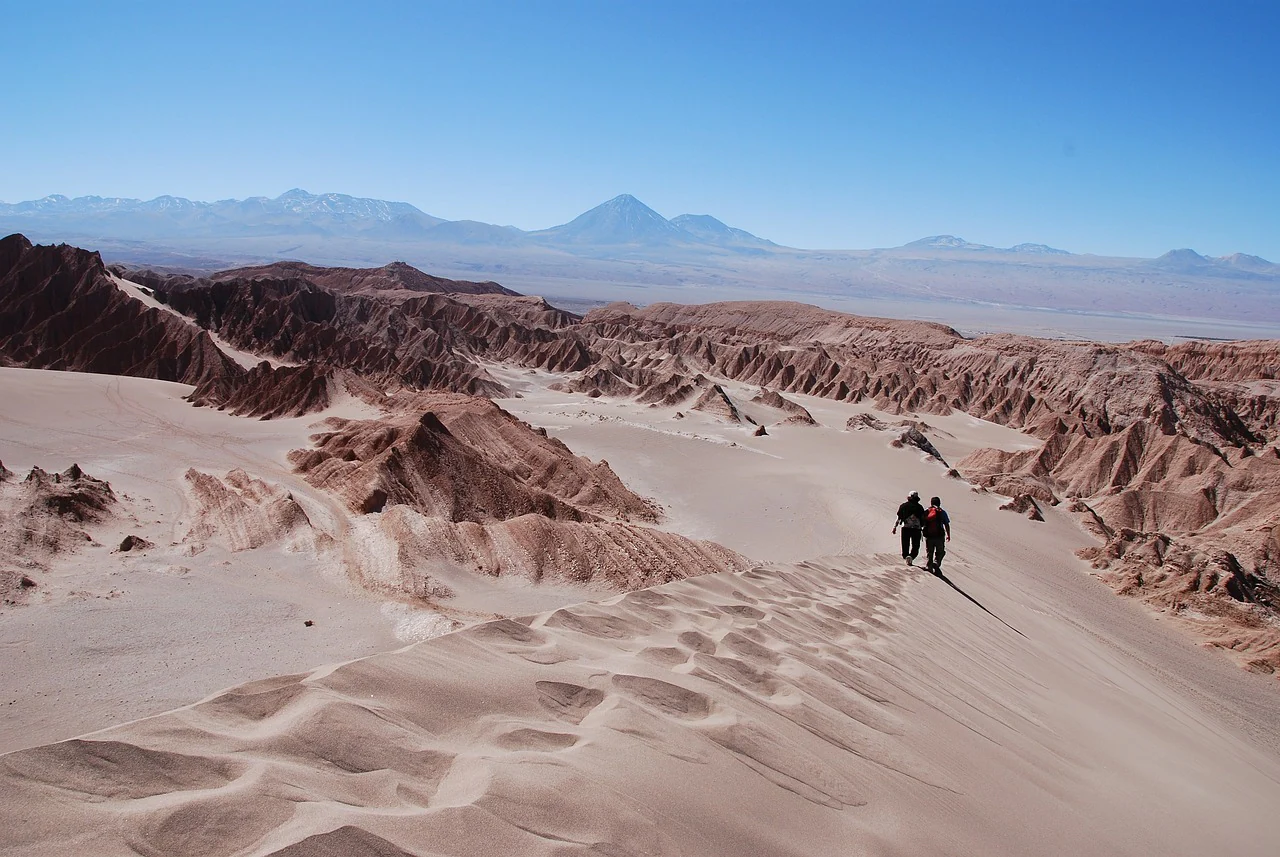
Deserts are often imagined as bright, harsh landscapes defined by heat and endless sunlight. Yet the true personality of many desert destinations emerges after sunset. As temperatures drop and the sky deepens into darkness, deserts reveal new rhythms, sounds, colors, and experiences that reshape how travelers understand these environments.
Nightfall transforms deserts into places of calm reflection, cultural connection, and natural wonder. For travelers willing to stay past dusk, the experience becomes richer, quieter, and more immersive than anything possible during the day.
Why Deserts Change So Dramatically at Night
Deserts undergo one of the most striking daily transformations found anywhere in the natural world. Extreme temperature swings shift both human activity and wildlife behavior, creating an entirely different atmosphere once the sun disappears.
Several factors contribute to this dramatic change:
- Rapid cooling after sunset
- Increased wildlife movement
- Clear skies ideal for stargazing
- Cultural traditions centered around evening gatherings
- Reduced tourist traffic and noise
Together, these elements turn nighttime deserts into environments that feel almost separate from their daytime identities.
The Magic of Desert Night Skies
One of the most unforgettable aspects of desert travel after sunset is the sky itself. With minimal humidity and little artificial light, deserts offer some of the clearest stargazing conditions on Earth.
Visitors often notice:
- Dense clusters of visible stars
- The Milky Way stretching clearly overhead
- Bright planetary visibility
- Meteor activity during seasonal showers
In many desert regions, simply lying on warm sand and watching the sky becomes the highlight of the trip. The silence enhances the experience, allowing travelers to reconnect with the scale of the natural world.
Sahara Desert Evenings: Silence and Storytelling
The Sahara transforms dramatically after sunset. During the day, its vast dunes reflect intense sunlight and heat. At night, the same landscape becomes peaceful and cool.
Evening experiences often include:
- Traditional campfire gatherings
- Music performed with regional instruments
- Shared meals cooked slowly over open flames
- Guided walks across moonlit dunes
The quiet of the Sahara after dark creates a sense of stillness rarely found elsewhere. Many travelers describe the experience as meditative rather than adventurous.
Wadi Rum After Sunset: A Landscape of Shadows and Stars
Jordan’s Wadi Rum becomes especially striking once daylight fades. Its towering sandstone formations cast long silhouettes against deepening twilight skies.
Nighttime activities in Wadi Rum frequently include:
- Bedouin-style desert camps
- Stargazing sessions led by local guides
- Evening tea ceremonies
- Short night hikes through illuminated canyon paths
The contrast between glowing rock formations and dark sky creates a dramatic setting that feels both ancient and timeless.
The Thar Desert at Night: Culture Comes Alive
India’s Thar Desert offers a different type of nighttime transformation. Instead of quiet isolation alone, evening brings cultural celebration.
Travelers visiting desert camps near Jaisalmer often experience:
- Folk music performances
- Traditional dance under open skies
- Camel silhouettes against sunset horizons
- Night markets in nearby settlements
The Thar Desert reveals how human culture adapts creatively to desert life, especially after temperatures become comfortable for outdoor gatherings.
Atacama Desert Nights: Astronomy at Its Finest
Chile’s Atacama Desert is widely recognized as one of the best stargazing locations in the world. Its high elevation and extremely dry climate create ideal viewing conditions.
Night experiences in the Atacama often include:
- Observatory visits
- Telescope-guided sky tours
- Astrophotography sessions
- Educational astronomy workshops
These opportunities make the Atacama especially appealing to travelers interested in science as well as natural beauty.
Arabian Desert Evenings: Luxury Meets Tradition
In the Arabian Peninsula, desert evenings blend heritage and modern comfort. Luxury desert camps provide structured experiences that introduce visitors to traditional lifestyles while maintaining high levels of comfort.
Typical nighttime activities include:
- Falconry demonstrations before sunset
- Candlelit dinners on open sand
- Storytelling sessions inspired by regional history
- Guided dune walks under moonlight
These experiences allow travelers to connect with desert traditions while enjoying contemporary hospitality.
Wildlife That Emerges Only After Dark
Many desert animals avoid daytime heat by becoming active at night. This makes evening exploration especially rewarding for nature-focused travelers.
Depending on the destination, visitors may encounter:
- Desert foxes
- Owls and night birds
- Reptiles moving across cooling sand
- Insects adapted to extreme environments
Guided nighttime walks often provide the safest and most informative way to observe these creatures responsibly.
The Role of Temperature in Shaping Night Experiences
Desert temperatures can drop rapidly after sunset. What feels intense and exhausting during the day becomes comfortable and inviting at night.
This shift changes how travelers interact with the environment:
- Walking becomes easier and more enjoyable
- Outdoor dining becomes possible
- Cultural events move outside
- Camps become social gathering spaces
These changes explain why many desert itineraries are designed around evening activity rather than daytime exploration.
Desert Camps That Redefine Overnight Travel
Spending the night in a desert camp is one of the most immersive ways to experience the transformation after sunset. Camps range from simple traditional setups to modern eco-lodges designed for comfort and sustainability.
Common features include:
- Open-air sleeping arrangements
- Fire-centered gathering spaces
- Locally prepared meals
- Guided storytelling sessions
These settings allow travelers to experience desert life at a slower pace while remaining connected to the surrounding environment.
Photography Opportunities Unique to Desert Nights
Desert landscapes offer exceptional nighttime photography conditions. Clear skies and minimal artificial lighting make long-exposure photography especially effective.
Photographers often capture:
- Star trails above dunes
- Moonlit ridgelines
- Silhouettes of camels or rock formations
- Camps glowing softly in darkness
These scenes create images that feel both dramatic and peaceful at the same time.
Cultural Traditions That Thrive After Sunset
Across many desert societies, evening hours are central to daily life. Communities often gather after sunset when temperatures become comfortable.
Travelers may experience:
- Storytelling traditions passed through generations
- Music performed outdoors
- Shared tea ceremonies
- Hospitality rituals welcoming visitors
Participating respectfully in these traditions allows travelers to better understand how people adapt to desert climates.
The Emotional Impact of Desert Nights
Desert evenings often leave lasting impressions on visitors because they encourage reflection. Without urban noise or artificial lighting, travelers become more aware of their surroundings.
Many people report feeling:
- Calm and grounded
- More connected to nature
- Curious about regional cultures
- Inspired by the scale of the landscape
This emotional dimension makes desert nights memorable long after the journey ends.
Planning a Desert Visit Around Sunset Experiences
Travelers who want to experience desert destinations fully should plan itineraries that prioritize evening exploration rather than daytime-only visits.
Helpful preparation steps include:
- Bringing warm layers for temperature drops
- Choosing camps with guided night programs
- Scheduling stargazing sessions in advance
- Respecting local customs and quiet hours
Thoughtful planning ensures travelers can enjoy both comfort and authenticity during their stay.
Why Desert Nights Represent a Different Kind of Travel Experience
Desert destinations challenge expectations by revealing their most compelling qualities after sunset. Instead of focusing only on dramatic daytime landscapes, nighttime travel highlights silence, culture, wildlife, and astronomy.
These experiences create a deeper connection with place and encourage travelers to slow down, observe carefully, and engage with environments that change dramatically within a single day.
For many visitors, the desert after sunset becomes the moment when the journey truly begins.
Frequently Asked Questions
What is the best time of year to experience desert destinations at night?
Cooler months typically offer the most comfortable nighttime conditions, especially in regions known for extreme summer heat.
Do desert camps usually provide heating during cold nights?
Many camps offer blankets, insulated tents, or enclosed sleeping areas, particularly in destinations where nighttime temperatures drop significantly.
Is nighttime desert travel suitable for families?
Yes. Many guided desert experiences are designed to accommodate families and include safe cultural activities and supervised stargazing sessions.
Are permits required for overnight stays in desert regions?
Permit requirements vary depending on the destination. Some protected desert landscapes require advance permission for overnight visits.
Can travelers see the northern or southern lights from deserts?
Most desert destinations are located outside the typical aurora zones. Stargazing is usually the primary nighttime attraction instead.
How dark do desert environments become after sunset?
Deserts far from cities can become extremely dark due to the absence of artificial lighting, making them ideal for astronomy and night photography.
Do guided desert night tours operate year round?
Availability depends on weather conditions and regional travel seasons, but many destinations offer guided nighttime programs throughout most of the year.
Hope this inspires your next after-dark desert journey 🌌
