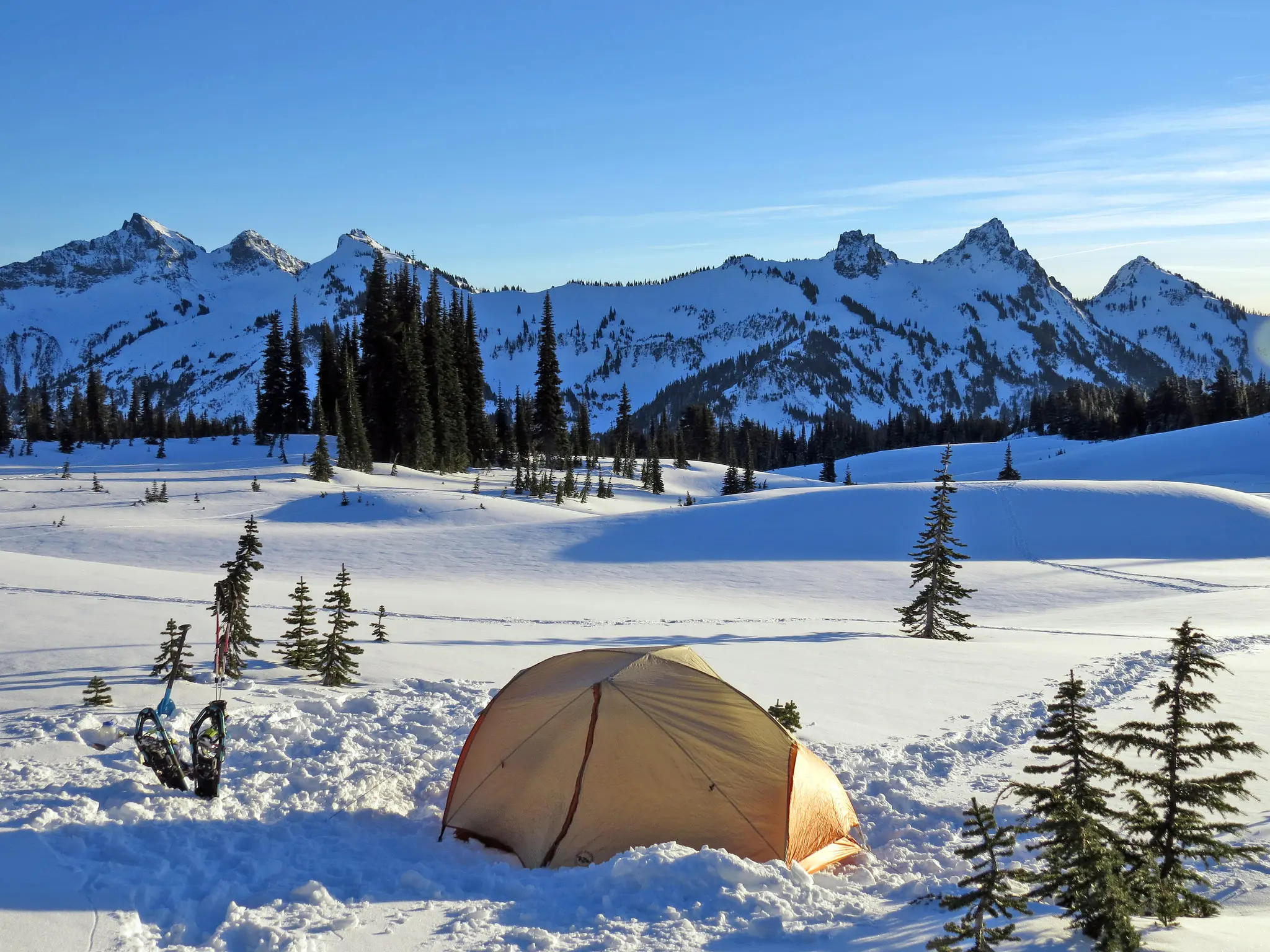
Winter camping in Nordic regions offers a powerful outdoor experience shaped by silence, snow-covered landscapes, and long polar nights. Countries such as Norway, Sweden, Finland, Denmark’s northern territories, and Iceland provide some of the most rewarding cold-weather camping environments in the world. However, these landscapes demand preparation, awareness, and practical strategies that differ significantly from three-season camping.
Travelers who approach winter camping thoughtfully can safely enjoy frozen forests, open tundra, and remote wilderness areas while experiencing traditions shaped by generations of northern living.
Understanding the Nordic Winter Environment
Before planning a winter camping trip in Nordic regions, it is essential to understand the environmental conditions that define the experience. Winter in these areas is not simply colder than other seasons. It changes daylight patterns, terrain stability, wildlife movement, and access routes.
Common winter conditions include:
- Extended darkness during midwinter months
- Deep snow accumulation in forest and mountain areas
- Frozen lakes and rivers
- Sudden weather changes
- Strong winds across open terrain
Recognizing these conditions helps campers prepare for both comfort and safety.
Choosing the Right Winter Camping Location
Location selection is one of the most important decisions when planning a Nordic winter camping trip. Terrain influences temperature exposure, wind protection, and accessibility.
Suitable camping environments include:
- Boreal forests with natural wind protection
- Frozen lake edges with safe ice thickness
- Sheltered valleys near established trails
- Designated winter camping zones within national parks
Avoid exposed ridgelines unless experienced with alpine winter travel. Wind exposure significantly increases cold stress and energy demands.
Essential Cold-Weather Shelter Strategies
Shelter selection determines whether winter camping remains safe and enjoyable. Nordic winter conditions require tents designed specifically for snow and wind resistance.
Effective shelter planning includes:
- Using four-season tents with reinforced poles
- Building snow walls for wind protection
- Selecting level snow surfaces for setup
- Anchoring tents with snow stakes or buried anchors
Some campers also construct snow shelters such as quinzee structures or snow trenches when conditions allow. These shelters provide excellent insulation from wind and cold air.
Sleeping Systems Designed for Arctic Conditions
Maintaining body warmth overnight is critical in Nordic winter camping environments. A reliable sleeping system combines insulation from the ground with adequate temperature-rated gear.
A strong winter sleeping setup typically includes:
- Sleeping bags rated below expected temperatures
- Insulated sleeping pads with high thermal resistance
- Vapor barrier liners in extremely cold conditions
- Dry base layers reserved for sleeping only
Ground insulation matters as much as air insulation. Snow draws heat quickly from the body if insulation layers are insufficient.
Layering Clothing for Nordic Winter Travel
Clothing systems in Nordic winter environments should support flexibility and moisture control. Overheating during movement can lead to dangerous cooling later.
An effective layering system includes:
- Moisture-wicking base layers
- Insulating mid-layers such as wool or fleece
- Windproof and waterproof outer shells
- Insulated outer garments for stationary periods
Avoid cotton materials. Wool remains a preferred traditional fabric throughout Nordic countries because it retains warmth even when damp.
Managing Daylight Limitations
One of the defining characteristics of Nordic winter camping is limited daylight. In northern areas, the sun may remain below the horizon for extended periods.
Campers should prepare by:
- Carrying reliable headlamps with spare batteries
- Planning travel routes carefully
- Setting camp earlier than in summer seasons
- Using reflective trail markers where permitted
Efficient daylight use improves safety and reduces unnecessary energy expenditure.
Cooking Strategies in Snow Environments
Cooking in winter requires adjustments because snow affects fuel efficiency and food preparation time. Melting snow for water also increases fuel consumption.
Reliable winter cooking strategies include:
- Using liquid fuel stoves suited for cold temperatures
- Carrying insulated water containers
- Melting snow gradually rather than rapidly
- Preparing high-calorie meals for sustained warmth
Warm food supports both physical energy and psychological comfort during long winter nights.
Navigation Techniques in Snow-Covered Landscapes
Snow transforms familiar trails into unfamiliar terrain. Landmarks disappear, and frozen surfaces create new travel routes across lakes and wetlands.
Safe navigation methods include:
- Carrying maps and compasses as primary tools
- Using GPS devices as backup support
- Recognizing avalanche-prone terrain in mountainous regions
- Tracking weather changes that reduce visibility
Nordic environments reward careful route planning rather than spontaneous movement.
Fire Safety and Camp Warmth in Cold Conditions
Campfires can provide warmth and comfort, but they require thoughtful preparation in snow-covered environments. Not all areas permit open fires, especially within protected regions.
Where allowed, safe winter fire practices include:
- Building fires on packed snow platforms
- Using dead and fallen wood rather than live trees
- Maintaining safe distance from tents
- Extinguishing fires completely before sleeping
In many Nordic areas, portable stoves remain the most reliable heating option.
Understanding Ice Safety on Frozen Lakes and Rivers
Frozen waterways create travel opportunities during winter, but ice conditions must always be evaluated carefully. Ice thickness varies depending on temperature patterns and currents.
Basic safety guidelines include:
- Checking local ice reports before travel
- Avoiding moving water areas
- Carrying ice safety picks
- Traveling with companions when possible
Local knowledge is especially valuable when crossing frozen surfaces.
Food Planning for High-Energy Winter Camping
Winter camping increases caloric requirements significantly. Cold exposure forces the body to work harder to maintain temperature.
Effective food planning strategies include:
- Packing energy-dense meals
- Including warm drinks such as tea or soup
- Carrying quick-access snacks for travel breaks
- Protecting food from freezing solid
Traditional Nordic outdoor meals often emphasize simplicity combined with high nutritional value.
Respecting Nordic Outdoor Traditions and Access Rights
Many Nordic countries follow public access traditions that allow responsible camping across large natural areas. These rights also include responsibilities for environmental protection.
Responsible camping practices include:
- Leaving no trace of campsites
- Avoiding disturbance to wildlife
- Respecting private property boundaries
- Following national park regulations
Understanding these traditions helps visitors camp respectfully across northern landscapes.
Managing Wind Exposure in Open Terrain
Wind significantly increases cold stress in Nordic winter environments. Even moderate winds can reduce perceived temperatures dramatically.
To manage wind exposure effectively:
- Select natural windbreak locations
- Build snow barriers around campsites
- Wear face protection in exposed areas
- Monitor changing weather forecasts regularly
Reducing wind exposure improves both safety and comfort during overnight stays.
Wildlife Awareness During Nordic Winters
Wildlife activity continues throughout Nordic winters, although patterns differ from warmer seasons. Some species remain active, while others reduce movement.
Campers should remain aware of:
- Reindeer migration routes
- Arctic fox activity in northern regions
- Bird populations near forested zones
- Seasonal wildlife protection areas
Maintaining respectful distance supports conservation and ensures safe camping conditions.
Mental Preparation for Cold-Weather Camping
Winter camping involves both physical readiness and psychological resilience. Long darkness periods and quiet environments can affect travelers unfamiliar with northern conditions.
Helpful preparation strategies include:
- Planning structured daily routines
- Traveling with companions when possible
- Carrying books or journals for evening hours
- Maintaining communication plans with contacts outside camp areas
Mental preparation improves confidence and overall enjoyment.
Emergency Planning in Remote Nordic Landscapes
Remote winter environments require reliable emergency preparation. Conditions can change quickly, and assistance may be far away.
Essential emergency planning includes:
- Carrying communication devices
- Sharing travel plans before departure
- Packing extra insulation layers
- Monitoring weather forecasts consistently
Prepared campers respond more effectively to unexpected challenges.
Frequently Asked Questions
What temperatures should winter campers expect in Nordic regions
Winter temperatures vary by location but often range from moderate subfreezing conditions in coastal areas to extremely cold inland temperatures well below freezing.
Is winter camping allowed in Nordic national parks
Many national parks permit winter camping in designated areas, though regulations differ between countries and specific parks.
Do campers need special training before winter camping in Nordic environments
Formal training is not always required, but experience with cold-weather gear and navigation improves safety significantly.
Are snow shelters warmer than tents in Nordic winter conditions
Snow shelters can provide excellent insulation from wind and cold air when constructed properly, sometimes outperforming standard tents.
How do campers prevent water supplies from freezing overnight
Insulated containers stored inside sleeping bags or shelters help prevent water from freezing during extremely cold nights.
Can beginners attempt winter camping in Nordic regions safely
Beginners can camp safely by starting in accessible areas, traveling with experienced companions, and using appropriate winter equipment.
What type of footwear works best for Nordic winter camping
Insulated waterproof boots designed for subfreezing conditions provide the best protection for extended travel in snow-covered terrain.
