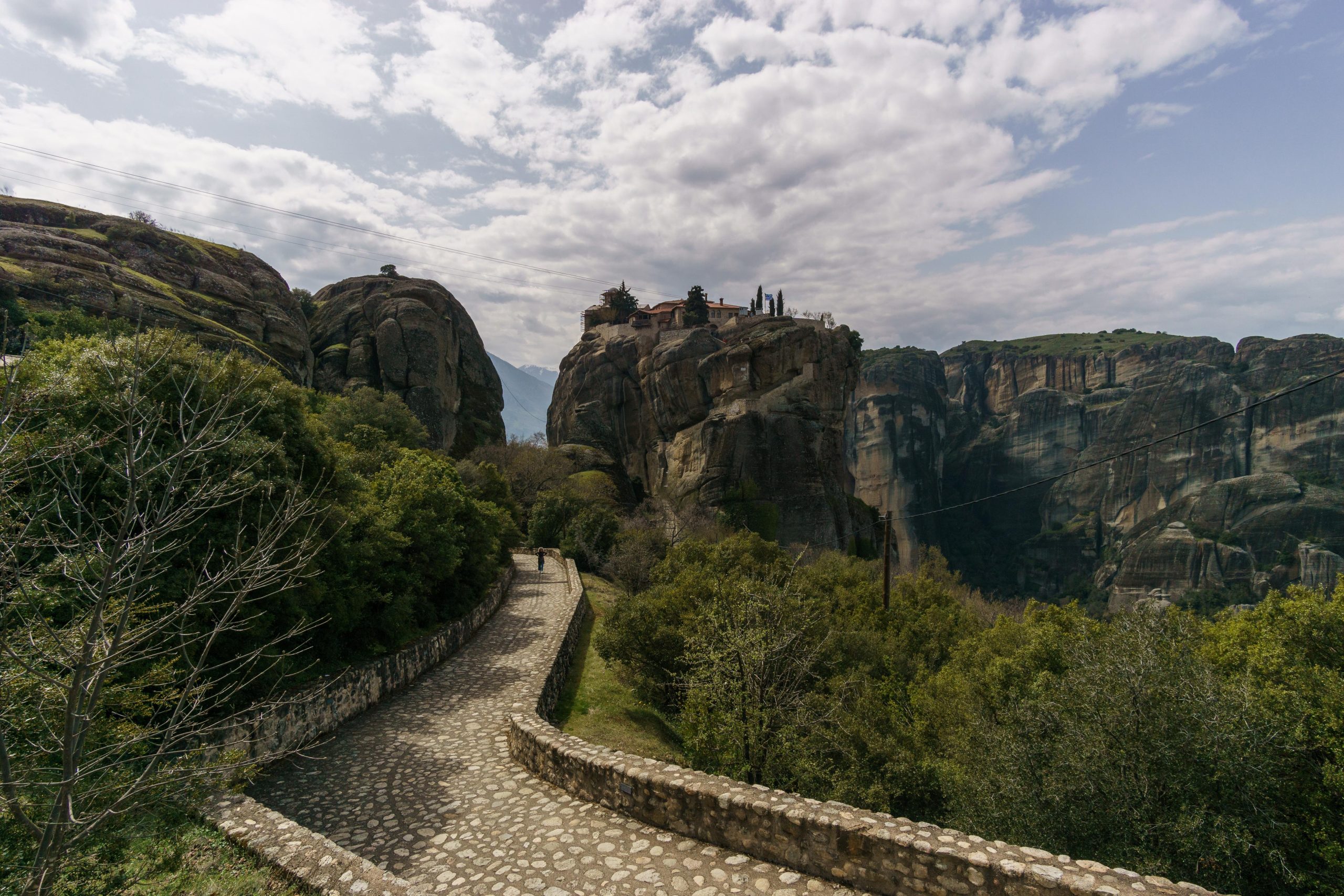
Adventure routes linking sacred landscapes offer a powerful way to experience geography, culture, and spiritual heritage together. Unlike conventional travel itineraries that focus on individual landmarks, these routes connect multiple sacred sites across regions shaped by centuries of pilgrimage, storytelling, and environmental symbolism. Travelers moving along these corridors encounter landscapes where mountains, rivers, forests, and deserts carry meaning beyond their physical form.
Exploring sacred landscape routes encourages slower travel, deeper observation, and respectful engagement with traditions that remain important to local communities. These journeys combine physical movement with cultural understanding, creating experiences that extend far beyond sightseeing.
Understanding Sacred Landscapes in Travel Contexts
Sacred landscapes are environments recognized by communities as spiritually significant. These places may include mountains, rivers, forests, temples, monasteries, caves, and pathways connecting them. Adventure routes linking such locations often follow ancient pilgrimage corridors shaped long before modern tourism developed.
Travelers along sacred routes frequently experience:
- Landscapes associated with origin stories
- Seasonal ceremonial gathering places
- Historic pilgrimage pathways
- Monastic settlement networks
- Natural landmarks linked to spiritual traditions
Understanding the cultural importance of these places helps travelers move through them respectfully.
Why Sacred Routes Attract Adventure Travelers Today
Many adventure travelers seek journeys that combine physical exploration with cultural depth. Sacred routes provide both elements while encouraging meaningful engagement with landscapes shaped by generations of movement.
These routes appeal to travelers because they offer:
- Long-distance walking or trekking opportunities
- Cultural immersion beyond urban centers
- Encounters with traditional communities
- Landscapes preserved through spiritual stewardship
- Experiences structured by historical movement patterns
This combination makes sacred routes especially compelling for travelers interested in purposeful journeys.
Mountain Corridors Connecting Monasteries and Shrines
Mountain regions frequently support sacred route networks linking monasteries, hermitages, and ceremonial peaks. These corridors often follow ancient footpaths shaped by seasonal pilgrimages and spiritual retreats.
Travelers exploring mountain sacred routes may encounter:
- High-altitude pilgrimage passes
- Monastic settlements built along ridgelines
- Stone pathways connecting valleys
- Sacred summits associated with ritual practices
These landscapes require physical preparation but offer powerful cultural experiences.
River Routes as Spiritual Travel Pathways
Rivers have long functioned as sacred corridors connecting communities and ceremonial sites. Many pilgrimage traditions follow riverbanks because waterways represent continuity, renewal, and movement.
Adventure travelers following river-based sacred routes often experience:
- Historic bathing locations
- Riverside temples and shrines
- Seasonal festivals linked to water cycles
- Traditional ferry crossings
Rivers shape both physical routes and symbolic meaning within sacred travel networks.
Forest Trails Preserving Spiritual Traditions
Forests often serve as protective environments for sacred sites. In many regions, woodland pathways connect shrines, meditation areas, and ceremonial gathering places.
Travelers moving through forest sacred routes may observe:
- Sacred groves preserved for ritual use
- Meditation retreats hidden within woodland areas
- Stone markers guiding traditional paths
- Wildlife habitats protected through spiritual respect
Forest routes highlight the connection between conservation and cultural practice.
Desert Pilgrimage Routes Across Open Landscapes
Desert sacred routes reflect centuries of movement across challenging terrain. These corridors often connect isolated shrines, wells, and gathering points used by travelers following spiritual traditions.
Adventure travelers exploring desert sacred routes may encounter:
- Historic caravan paths adapted for pilgrimage
- Seasonal camps supporting travelers
- Oasis settlements serving ceremonial roles
- Star-based navigation traditions
These environments demonstrate how belief systems shaped movement across vast landscapes.
Coastal Sacred Routes Linking Maritime Traditions
Coastal sacred routes connect communities shaped by ocean travel and maritime belief systems. Many shorelines include shrines dedicated to protection, navigation, and safe passage.
Travelers along coastal sacred corridors often experience:
- Cliffside pilgrimage paths
- Harbors with ceremonial significance
- Coastal monasteries overlooking sea routes
- Fishing communities maintaining ritual traditions
These routes reflect the relationship between ocean environments and spiritual identity.
Ancient Trade Corridors That Became Sacred Routes
Some sacred routes originated as trade corridors that gradually gained spiritual significance. Over time, merchants, pilgrims, and travelers transformed these pathways into cultural and ceremonial networks.
Travelers exploring these corridors may notice:
- Market towns with pilgrimage heritage
- Caravanserai sites supporting travelers
- Religious buildings positioned along trade streets
- Cultural festivals linked to historic movement patterns
These routes demonstrate how commerce and spirituality often intersected.
Seasonal Pilgrimage Movements Shaping Route Timing
Many sacred routes remain active during specific seasons linked to agricultural cycles, celestial events, or religious calendars. Timing plays an important role in shaping the character of these journeys.
Travelers following seasonal sacred routes may observe:
- Processional gatherings
- Temporary ceremonial structures
- Shared meals along pilgrimage paths
- Community-based hospitality traditions
Participating respectfully in these seasonal movements provides insight into living traditions.
Walking as the Primary Mode of Sacred Route Travel
Walking remains central to many sacred landscape journeys. Movement on foot allows travelers to experience terrain gradually and observe subtle environmental transitions between sites.
Walking-based sacred route travel encourages:
- Awareness of landscape changes
- Reflection during extended movement
- Interaction with local residents
- Appreciation of historic pathway design
This travel style supports both physical engagement and cultural understanding.
Cultural Etiquette Along Sacred Landscape Corridors
Respectful behavior plays an essential role when traveling along sacred routes. Many sites remain active places of worship rather than historical monuments.
Responsible travelers typically:
- Dress appropriately near sacred locations
- Follow photography guidelines
- Observe local customs during ceremonies
- Maintain quiet behavior in meditation areas
These practices support positive relationships between visitors and host communities.
Architecture That Marks Sacred Route Networks
Buildings positioned along sacred routes often reflect their ceremonial roles. Architecture provides visual clues about how travelers historically navigated between sites.
Travelers may encounter:
- Gateways marking entry to sacred zones
- Pilgrim shelters offering rest points
- Stone markers guiding pathway direction
- Monastic complexes positioned along travel corridors
These structures reveal how infrastructure supported spiritual journeys.
Natural Features Serving as Route Landmarks
Sacred routes often follow natural landmarks that help travelers navigate across large landscapes. Mountains, springs, caves, and rock formations frequently function as orientation points.
Common natural landmarks include:
- Springs associated with purification rituals
- Rock formations used as ceremonial markers
- Sacred trees marking pathway transitions
- Mountain passes guiding seasonal movement
These features connect geography with belief systems.
Modern Mapping Supporting Sacred Route Exploration
Digital mapping tools now help travelers identify sacred landscape corridors while respecting traditional pathway structures. These tools make route planning more accessible without replacing cultural knowledge.
Travelers using mapping technologies can:
- Locate historic pathway alignments
- Identify rest points along routes
- Understand elevation changes
- Plan environmentally responsible travel schedules
Technology enhances access while preserving traditional route patterns.
Community Participation in Maintaining Sacred Routes
Many sacred route networks remain active because local communities continue maintaining pathways, shelters, and ceremonial sites. Community involvement ensures these routes remain meaningful rather than symbolic.
Travelers may observe:
- Volunteer maintenance efforts
- Seasonal route clearing activities
- Shared hospitality traditions
- Cultural education programs supporting visitors
Community participation strengthens both cultural continuity and visitor understanding.
Environmental Protection Through Sacred Landscape Recognition
Sacred landscapes often receive protection through cultural respect rather than formal conservation laws alone. Spiritual traditions frequently encourage preservation of forests, rivers, and mountain environments.
Travelers moving along sacred routes may notice:
- Protected woodland areas surrounding shrines
- Restrictions on development near ceremonial sites
- Community-led conservation initiatives
- Traditional land-use practices supporting biodiversity
These patterns demonstrate how cultural values support environmental stewardship.
Why Sacred Adventure Routes Offer Meaningful Travel Experiences
Adventure routes linking sacred landscapes provide opportunities to explore geography through cultural memory rather than modern infrastructure alone. These journeys connect travelers with environments shaped by centuries of movement, ritual practice, and community identity.
Traveling along sacred corridors encourages patience, observation, and respect. Instead of focusing on individual destinations, travelers experience landscapes as interconnected cultural systems shaped by both physical terrain and spiritual meaning.
Frequently Asked Questions
What defines a sacred landscape travel route
A sacred landscape travel route connects multiple locations recognized by communities as spiritually meaningful and often follows historic pilgrimage or ceremonial pathways.
Are sacred routes suitable for independent travelers
Many sacred routes welcome independent travelers, although researching cultural expectations and local guidelines improves the travel experience.
Do sacred routes require special permits to access
Permit requirements vary depending on location. Some protected areas require advance permission, while others remain open to public travel.
Can travelers participate in ceremonies along sacred routes
Participation depends on local customs. Some ceremonies welcome visitors, while others remain reserved for community members.
How physically demanding are sacred landscape routes
Difficulty varies widely. Some routes involve gentle walking between villages, while others cross mountainous or remote terrain.
Are sacred routes connected across national borders
Yes. Many sacred routes extend across modern political boundaries because they were established before contemporary borders existed.
How can travelers support communities along sacred routes
Travelers can support local economies by staying in community accommodations, purchasing regional products, and respecting cultural traditions during their journeys.
