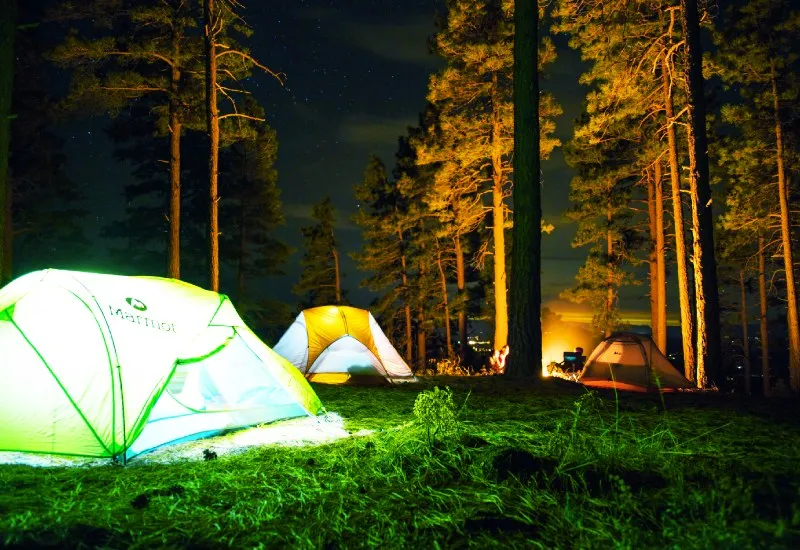
Island-hopping camping by kayak combines self-powered travel with remote coastal exploration. Unlike traditional camping trips that rely on roads or established trails, kayak-based journeys allow travelers to move between islands at their own pace while carrying everything needed for overnight stays. The experience blends physical challenge, navigation skill, environmental awareness, and a deep connection with coastal landscapes.
For outdoor travelers seeking independence and immersion, kayaking between islands creates a flexible and rewarding adventure. Campsites shift daily, routes adapt to weather conditions, and each shoreline presents new terrain to explore.
Why Kayak-Based Island-Hopping Creates a Unique Camping Experience
Kayak camping differs significantly from backpacking or car-based camping. Instead of traveling inland, paddlers move across waterways that connect remote coastal environments.
Key features that define this type of travel include:
- Access to islands unreachable by road
- Flexible campsite selection along shorelines
- Close interaction with marine ecosystems
- Quiet travel without engines
- Opportunities to adjust routes daily
These elements create a travel style that emphasizes both exploration and self-reliance.
Choosing the Right Destination for Island-Hopping Kayak Trips
Selecting an appropriate region shapes the entire experience. Some island groups offer sheltered waters ideal for beginners, while others require advanced navigation skills.
Popular characteristics of suitable destinations include:
- Protected channels between islands
- Moderate tidal movement
- Reliable landing beaches
- Clear navigation markers
- Predictable weather windows
Examples of favorable environments include archipelagos, inland seas, and coastal national parks with established paddling routes.
Essential Kayak Selection for Multi-Day Camping Trips
The kayak itself functions as both transportation and storage system during island-hopping journeys. Choosing the right model improves safety, comfort, and efficiency.
Important kayak features include:
- Long hull design for tracking stability
- Sealed storage compartments
- Deck lines for securing equipment
- Comfortable seating for extended paddling
- Rudder or skeg systems for directional control
Sea kayaks are typically the most suitable choice for multi-day coastal camping expeditions.
Packing Efficiently for Kayak Camping Adventures
Packing for kayak travel differs from backpacking because weight distribution matters as much as total weight. Equipment must remain dry, balanced, and accessible.
Effective packing strategies include:
- Using waterproof dry bags
- Placing heavier gear near the kayak’s center
- Keeping emergency equipment within reach
- Separating sleeping gear from cooking supplies
Balanced packing improves handling and reduces fatigue during long paddling days.
Planning Daily Travel Distances Between Islands
Island-hopping routes should match the paddler’s experience level and expected weather conditions. Unlike road travel, water conditions can change quickly.
Most kayak campers plan distances based on:
- Wind forecasts
- Tidal direction
- Wave exposure
- Available landing sites
- Daylight hours
Shorter travel days often provide more time for shoreline exploration and campsite setup.
Selecting Safe Campsites Along Coastal Routes
Campsite selection plays a critical role in island-hopping success. Shorelines vary widely depending on tides, vegetation, and terrain.
Reliable campsite characteristics include:
- Gradual beach access for landing
- Protection from prevailing winds
- Elevated ground above high tide lines
- Stable surfaces for tents
Choosing safe landing zones ensures both comfort and equipment protection.
Understanding Tides and Coastal Navigation
Tides influence nearly every aspect of kayak camping along island chains. Water levels affect landing conditions, route timing, and paddling difficulty.
Travelers benefit from learning how to:
- Read tide charts before departure
- Identify exposed hazards during low tide
- Use tidal currents to conserve energy
- Avoid shallow reef areas
Understanding tidal patterns improves both safety and efficiency.
Weather Awareness for Island-Hopping Routes
Weather conditions shape daily travel decisions more than any other factor during kayak expeditions. Wind direction alone can determine whether a crossing is comfortable or unsafe.
Key weather considerations include:
- Monitoring marine forecasts regularly
- Planning alternate landing options
- Avoiding open crossings during strong winds
- Scheduling early departures during calm morning conditions
Flexible planning allows paddlers to adapt without unnecessary risk.
Cooking and Food Storage During Kayak Expeditions
Food planning for kayak camping requires careful organization because supplies remain exposed to moisture and movement.
Successful expedition food strategies include:
- Packing compact cooking equipment
- Carrying shelf-stable meals
- Using sealed containers to prevent contamination
- Separating food storage from sleeping gear
Balanced meal planning supports sustained energy across multiple paddling days.
Water Management While Traveling Between Islands
Freshwater availability varies widely across island regions. Some islands offer natural sources, while others require carrying all drinking water from the start.
Reliable water strategies include:
- Carrying collapsible storage containers
- Identifying refill points before departure
- Using purification filters when necessary
- Monitoring daily water consumption carefully
Water planning becomes especially important during longer journeys.
Wildlife Encounters Along Island-Hopping Routes
Island ecosystems often support diverse marine and coastal wildlife populations. Kayak travel allows quiet observation without disturbing natural behavior.
Common sightings may include:
- Seabird nesting colonies
- Coastal mammals near shorelines
- Fish moving through shallow waters
- Intertidal organisms exposed during low tide
Maintaining respectful distance ensures safe and responsible wildlife viewing.
Navigation Tools That Improve Route Confidence
Reliable navigation tools support safe movement between islands. Coastal routes may include hidden hazards not visible from the kayak’s seating position.
Essential navigation equipment includes:
- Waterproof maps
- Marine compasses
- GPS navigation devices
- Tide reference charts
Using multiple navigation tools provides backup options if conditions change unexpectedly.
Emergency Preparedness for Coastal Kayak Camping
Island-hopping expeditions require careful safety planning because assistance may be far away. Communication tools improve response time during unexpected situations.
Prepared paddlers typically carry:
- Personal flotation devices
- Emergency signaling equipment
- Spare paddles
- First-aid kits
- Communication devices suited for remote environments
Preparation supports confident travel across unfamiliar waters.
Group Travel Benefits During Island-Hopping Adventures
Although solo kayaking offers independence, group travel provides additional safety advantages. Teams can assist with navigation decisions, campsite setup, and emergency responses.
Group travel advantages include:
- Shared equipment responsibilities
- Improved route planning decisions
- Additional communication support
- Faster response during unexpected weather changes
Traveling with companions enhances both safety and enjoyment.
Environmental Responsibility While Camping on Islands
Island ecosystems often remain fragile due to limited human activity. Responsible camping protects these environments for future visitors.
Low-impact practices include:
- Packing out all waste
- Avoiding disturbance to nesting areas
- Using established campsites where available
- Respecting local conservation guidelines
Sustainable travel supports long-term preservation of coastal habitats.
Seasonal Timing for Island-Hopping Kayak Trips
Seasonal conditions influence route accessibility and safety. Calm water periods vary depending on region and climate patterns.
Travelers typically consider:
- Wind patterns during different seasons
- Wildlife nesting restrictions
- Daylight availability
- Water temperature conditions
Selecting the right season improves overall expedition success.
Photography Opportunities During Coastal Kayak Journeys
Island-hopping routes provide exceptional photography opportunities because changing perspectives create constantly shifting scenery.
Photographers often capture:
- Sunrise reflections across sheltered bays
- Rocky shorelines shaped by tides
- Campsites overlooking open water
- Wildlife activity near remote islands
Careful waterproof protection ensures camera equipment remains usable throughout the journey.
Building Confidence Through Shorter Practice Trips
Before attempting extended island-hopping expeditions, many paddlers benefit from shorter training journeys. These trips help develop packing efficiency and route awareness.
Practice trips allow travelers to:
- Test equipment setups
- Improve paddling endurance
- Learn campsite selection techniques
- Build navigation confidence
Experience gained during shorter trips supports success on longer adventures.
Why Island-Hopping by Kayak Appeals to Modern Outdoor Travelers
Kayak-based island camping encourages independence and adaptability. Unlike fixed travel itineraries, routes remain flexible and shaped by environmental conditions.
This travel style appeals to outdoor explorers because it combines:
- Physical activity
- Environmental awareness
- Route planning skills
- Cultural respect for coastal communities
Island-hopping adventures reward preparation while encouraging curiosity about coastal landscapes rarely reached by conventional travel methods.
Frequently Asked Questions
How many days are ideal for a first island-hopping kayak camping trip
A three- to five-day trip is often suitable for beginners because it allows time to build experience without requiring extensive logistical planning.
Do kayak campers need permits for overnight stays on islands
Permit requirements vary depending on location. Some protected areas require advance reservations, while others allow dispersed shoreline camping.
What type of tent works best for kayak camping expeditions
Compact, lightweight tents with strong wind resistance and waterproof construction perform best in coastal environments.
Is prior kayaking experience necessary before planning an island-hopping trip
Basic paddling skills are essential, and practice in sheltered waters improves safety before attempting multi-day coastal crossings.
How do paddlers keep gear dry during rough water crossings
Dry bags, sealed compartments, and careful packing techniques help protect equipment from water exposure.
Are island-hopping kayak trips suitable for colder climates
Yes. With proper clothing and cold-water safety preparation, kayak camping can be conducted in cooler environments.
Can beginners navigate island routes without professional guides
Beginners can travel independently in sheltered regions with preparation and navigation training, although guided trips provide additional safety support.
