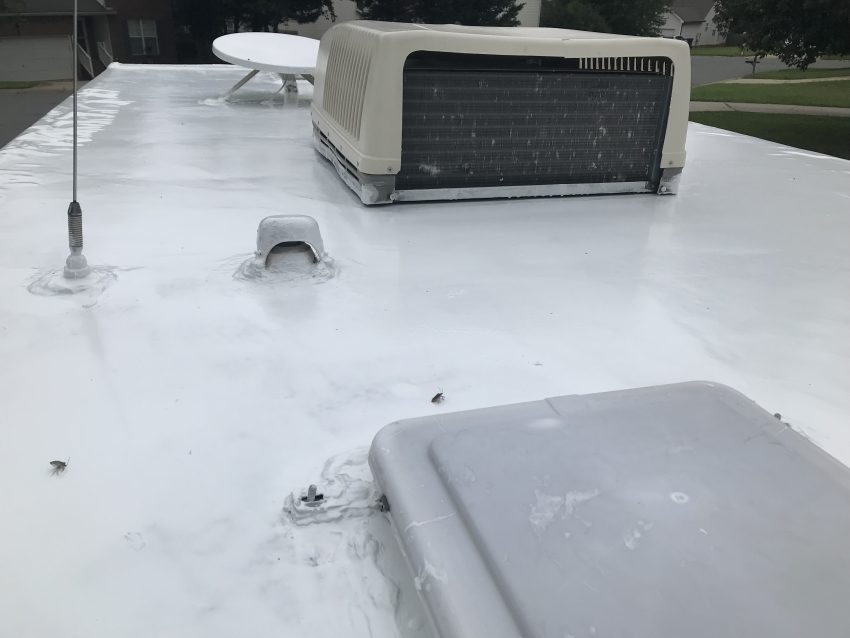
Understanding the Impact of Hail on RVs
Hailstorms can cause significant damage to recreational vehicles, leaving dents, scratches, and sometimes even structural issues. RV owners often face the challenge of repairing these damages quickly to maintain both the vehicle’s appearance and its resale value. Understanding the basics of RV hail damage repair is crucial for addressing the problem efficiently and preventing further complications. Knowing which tools and techniques are most effective can make the process smoother and help achieve professional-looking results.
The first step in any RV hail damage repair project is assessing the severity of the damage. Minor dents might not affect functionality but can detract from the RV’s aesthetic. Larger dents or punctures, on the other hand, may compromise structural integrity or lead to water leakage if left untreated. Identifying the type and extent of damage informs the repair approach, whether it involves simple paintless dent removal or more extensive bodywork.
Essential Tools for RV Hail Damage Repair
Having the right tools is a critical part of performing successful RV hail damage repair. A common method for minor dents is paintless dent repair (PDR), which requires specialized tools such as metal rods, hooks, and tapping blocks. These tools allow technicians to gently push or tap the metal back into its original shape without damaging the paint. PDR is popular because it is cost-effective, preserves the RV’s finish, and can often be completed quickly.
For dents that are too severe for PDR, body fillers, sanding blocks, and plastic spreaders may be necessary. These tools help in reshaping the damaged area and preparing it for repainting. A quality sanding block ensures smooth surfaces, while plastic spreaders allow precise application of body filler. Additionally, dual-action sanders can speed up the process and produce consistent results.
Spray guns, paint, and protective coatings are also essential for finishing repairs. Matching the RV’s original color requires careful attention to detail and sometimes layering multiple coats of paint. Clear coats protect the surface and enhance the final appearance. Masking tape, drop cloths, and respirators are also important tools to ensure safety and prevent overspray during the painting process.
Heat guns and suction cups can provide additional options for certain types of dents. Applying controlled heat can make metal more pliable, allowing it to be manipulated more easily. Suction-based tools can pull out dents in flat or slightly curved surfaces, offering another method to restore the RV’s exterior. Combining these tools effectively depends on the nature of the hail damage and the technician’s experience.
Techniques for Effective RV Hail Damage Repair
Successful RV hail damage repair requires a combination of skill, patience, and proper technique. Paintless dent repair is one of the most widely used methods for minor dents. It involves massaging the metal from behind the panel using specialized rods, gradually restoring the original shape. This technique preserves the factory paint and avoids the need for fillers or repainting, making it ideal for minor cosmetic damage.
For larger or more complex dents, filling and repainting may be necessary. The damaged area is first cleaned, sanded, and filled with body filler to achieve a smooth contour. After sanding the filler to match the surrounding surface, the area is primed and painted. Clear coats are applied afterward to protect the finish and ensure a seamless look. Attention to detail is critical at each step to prevent uneven surfaces or noticeable color mismatches.
Blending techniques are also important when repainting larger areas. Feathering the edges of new paint into the existing surface ensures the repair is less visible. Experienced technicians often use a combination of masking, multiple thin paint layers, and careful sanding to achieve a professional finish. For aluminum or composite panels, specialized fillers and coatings may be used to maintain durability and appearance.
Another technique involves the use of suction or slide hammers for pulling out dents on flat surfaces. These tools create controlled tension to gradually bring the metal back into alignment. Coupled with tap-down methods using small hammers and blocks, this technique allows for precise corrections without damaging surrounding areas. It is particularly useful for larger panels like sides or roofs of RVs.
Maintenance and Preventive Measures
While tools and techniques can effectively repair hail damage, preventive measures help minimize future risks. Using RV covers or parking in covered areas during storms reduces exposure to hail. Additionally, inspecting the RV after severe weather and addressing minor issues promptly can prevent them from becoming more serious. Regular maintenance of paint and coatings also helps maintain the RV’s durability and appearance, making future hail damage less noticeable.
Insurance coverage plays a role in RV hail damage repair as well. Many policies provide for repairs resulting from hailstorms, making it important to document damage thoroughly before beginning any work. Photographs, detailed notes, and consultation with repair professionals ensure that claims are handled efficiently and that repairs can be completed without unnecessary delays.
By understanding the essential tools and techniques for RV hail damage repair, owners can make informed decisions about the best approach to restoring their vehicles. Whether using paintless dent repair, filler and repainting methods, or specialized pulling tools, the combination of proper equipment, skilled techniques, and preventive measures ensures that RVs remain in top condition even after hail damage.
