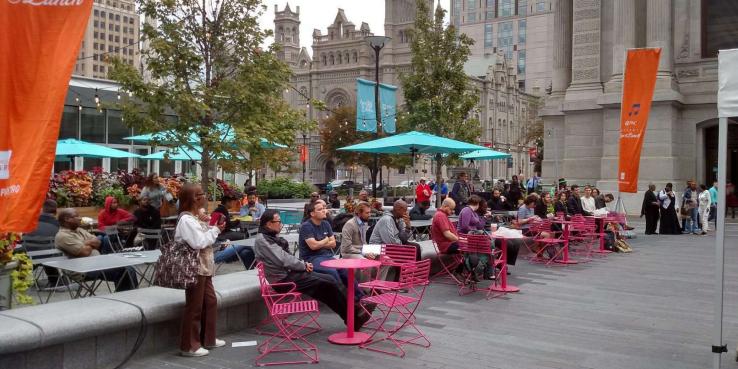
Art outside museums plays an important role in daily life. Projects like an Art Loop place creative works along streets and parks, giving residents and visitors a chance to encounter sculpture, murals, and installations as part of their routine. This unexpected exposure invites reflection and dialogue.
Public art often reflects the culture and history of a neighbourhood. It can honour local heroes or explore shared experiences. When people see themselves represented in public works, they feel a stronger connection to their surroundings. Creative displays spark questions and conversations that might not arise in other settings.
Art also has the power to transform spaces. Colourful murals brighten alleyways, and sculptures add dimension to plazas. These enhancements make areas more inviting and can encourage foot traffic, benefiting nearby businesses.
Reasons public art stimulates conversation include the way it presents ideas and stories in accessible ways. It invites viewers to interpret and respond emotionally. It can challenge assumptions and inspire curiosity. It provides a shared experience for people who gather around it. It contributes to the identity of a neighbourhood.
Incorporating art into everyday environments enriches urban life. By engaging with it, communities form connections and share thoughts that go past small talk.
Interactive installations invite participation. Sculptures that produce sound when touched or murals that encourage you to pose for photos make art engaging and memorable. These pieces often become landmarks and meeting points, fostering conversation among visitors.
Educational programmes linked to public art deepen appreciation. Guided tours, workshops, and artist talks teach people about the creative process and the stories behind the works. Learning these details enriches the conversations that follow and inspires new ideas.
Community created art projects, such as mosaics or murals made with volunteers, empower residents to contribute to the shared appearance of their surroundings. Participating in these collaborations builds pride and fosters dialogue among neighbours, strengthening social ties.
Public art also benefits local economies. Attractive installations draw visitors, which can boost spending at nearby cafés, shops, and markets. This economic activity encourages further investment in cultural initiatives and demonstrates how art can play a role in community development.
Advancements in technology have led to interactive digital art displays that respond to movement or sound. These innovative installations add a modern twist to public art and engage younger audiences. Providing opportunities for people of all abilities to experience art, such as tactile versions of visual pieces, ensures that cultural experiences are inclusive and accessible.
Funding and careful maintenance ensure that public art remains vibrant and accessible for future generations. Ongoing support from the community and local authorities preserves these shared treasures.
Providing shaded seating and clear signage helps visitors engage with art comfortably. Supporting local artists through small grants encourages diverse projects and keeps creative energy flowing.
